
RubyWell
How to get paid for caregiving
Last night I was on a panel at my university. It was one of those alumni panels, which is always interesting because the people who join these panels are often inspiring. I was eager to share some insights on how caregivers are essential for people who live well with chronic illness, and how my years of research reveal that people who suffer most from chronic illness feel most alone. In contrast, those who live well with one or more complex chronic illnesses are often cared for deeply and lifted up by beloveds in some way. I was also eager to talk about our new collective book, Savoring Care: Flourishing with Diabetes across Cultures. (In all seriousness, it’s a beautiful book and the authors crafted such inspiriting stories!)
The panel was interesting because caregiving was framed mostly from the place of caring for family with chronic illness. As a working mom, these stories struck home. Although caregiving for aging parents, or beloveds living with disabilities, differ in meaningful ways from caring for children. Even still, there is an important connection among those who juggle paid workforce labor and unpaid domestic labor.
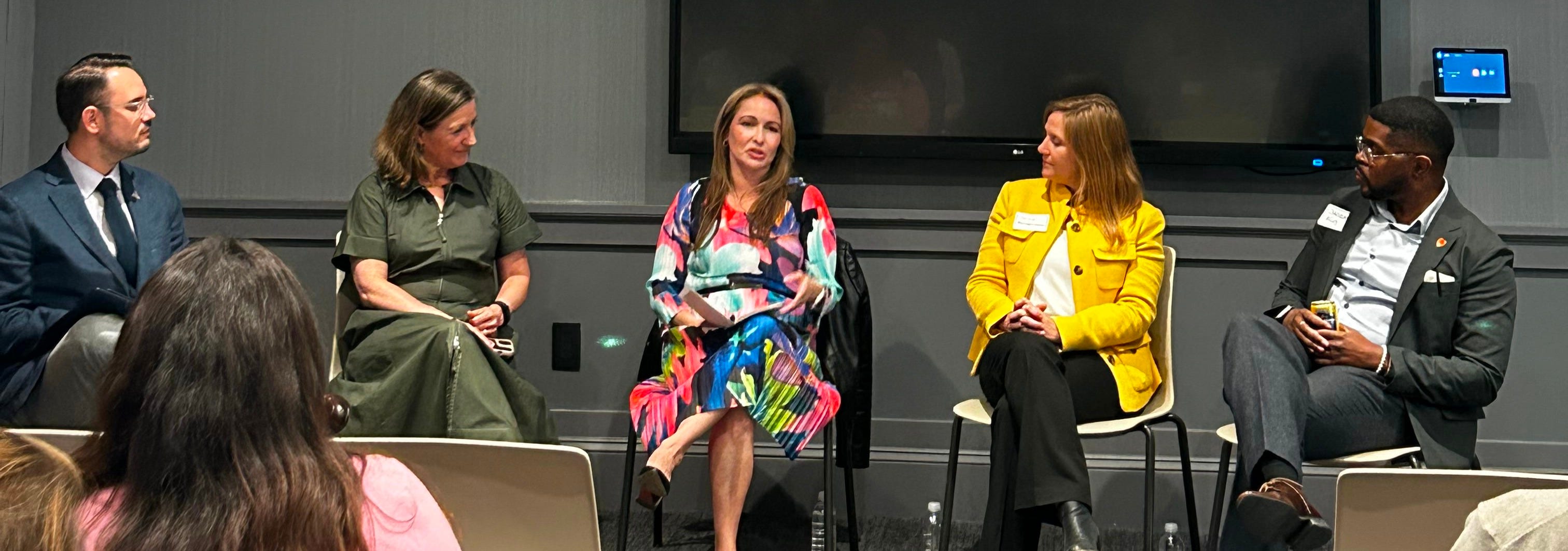
The wonderful panel: Jason Resendez, Julie Kennedy, Selena Caldera, Emily Mendenhall, Christopher King
Now, this is going to be a short post because I am making pumpkin oatmeal cookies for a Beltane ceremony I am hosting with my bookclub. However, there is a part of me that felt some urgency to share some of the things I learned last night, particularly from Julie Kennedy. I don’t have a huge platform but the one I do have may be helpful to some families. Now, I think this program is only in New York. But that doesn’t mean the information and understanding of what they’re doing won’t travel.
Julie Kennedy is the founder and director of RubyWell. In some ways this organization dives deep into the weeds of caregiving in ways that I did not realize existed. Their website says, “At RubyWell, we’re helping family caregivers and Medicare Advantage plans work together to safely manage health at home. Including family caregivers on the care team can improve health outcomes and lower care costs for older patients with chronic illnesses.”
Let me say it simply. Their work is transformative because it focuses on getting caregivers PAID. Honestly, what could be more important?
Yes, money for research and innovation and treatment is absolutely critical. But in the moments between suffering and healing, caregivers are everything. Getting money for family who cares for the chronically ill feels radical in Trump’s America. I think we need to double down on this approach and imagine how we can use the current system to fill the gaps that our dismal safety net has forgotten.
Anyway, happy Friday. My cookies are done!